
What Is a Blockchain Explorer?
Key Takeaways
A blockchain explorer is a tool that lets you search and view data recorded on a blockchain, such as transactions, wallet balances, and block details.
Blockchain explorers work like search engines, providing a user-friendly way to navigate on-chain data that would otherwise be difficult to read.
Different blockchains have their own explorers. Some popular examples include Mempool.space for Bitcoin, Etherscan for Ethereum, BscScan for BNB Chain, and Solscan for Solana.
Blockchain explorers can be useful for verifying transactions, tracking wallet activity, reviewing smart contract details, and better understanding how a blockchain network operates.
Introduction
One of the core principles behind blockchain technology is transparency. Every transaction recorded on a public blockchain is visible to anyone, but raw blockchain data isn't easy to read on its own. That's where blockchain explorers come in.
A blockchain explorer is essentially a search engine for a blockchain network. It gives you a simple, visual way to look up transactions, wallet addresses, blocks, and other on-chain data. Whether you want to check if a payment has been confirmed or explore the activity of a specific wallet, a blockchain explorer can help.
In this article, you'll learn how blockchain explorers work, what kind of information they display, and how to use them.
How Does a Blockchain Explorer Work?
Every public blockchain stores data across a distributed network of computers (nodes). This data includes every transaction that's ever been processed, organized into groups called blocks. Each block is linked to the one before it, forming a chain (hence the name blockchain).
A blockchain explorer connects to a blockchain's nodes, indexes this data, and stores it in a database optimized for quick searching. In other words, it collects raw data (such as blocks, transactions, wallet addresses, and hashes) and organizes it into a user-friendly interface.
Think of it this way: the blockchain itself is like a massive public ledger written in code. The explorer is the tool that translates that ledger into something you can easily read and navigate through your browser.
What Information Can You Find on a Blockchain Explorer?
Blockchain explorers can display a wide range of on-chain data. While the specifics can vary depending on the blockchain and the explorer, here are some of the most common types of information:
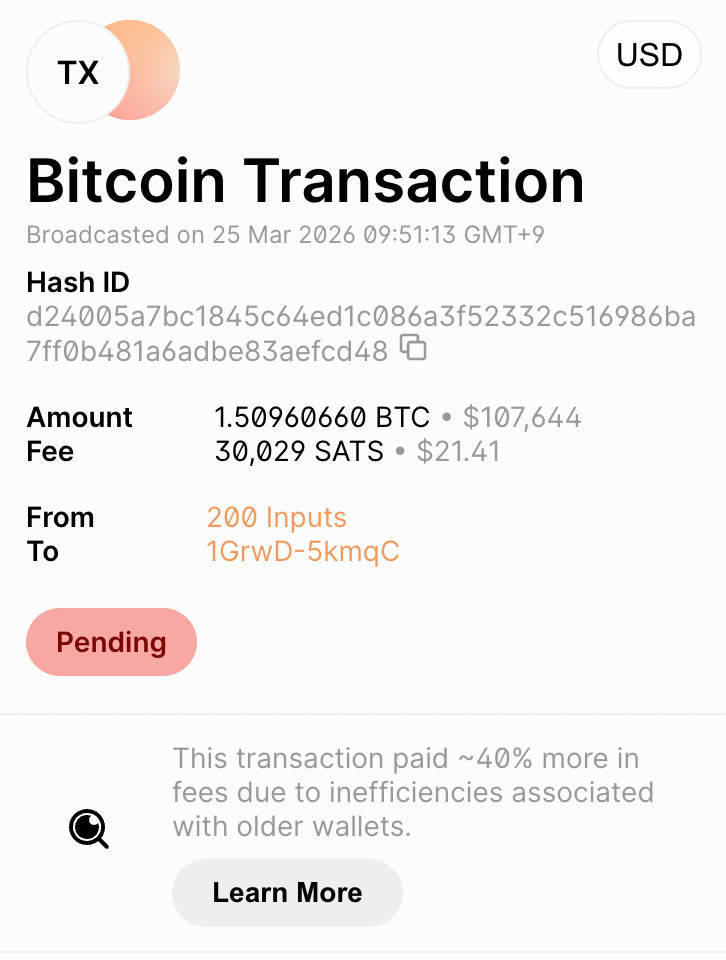
Transaction details: You can look up individual transactions using a transaction ID (also called a transaction hash, often abbreviated as TXID). This typically shows the sender and recipient addresses, the amount transferred, the transaction fee, the timestamp, and the confirmation status.

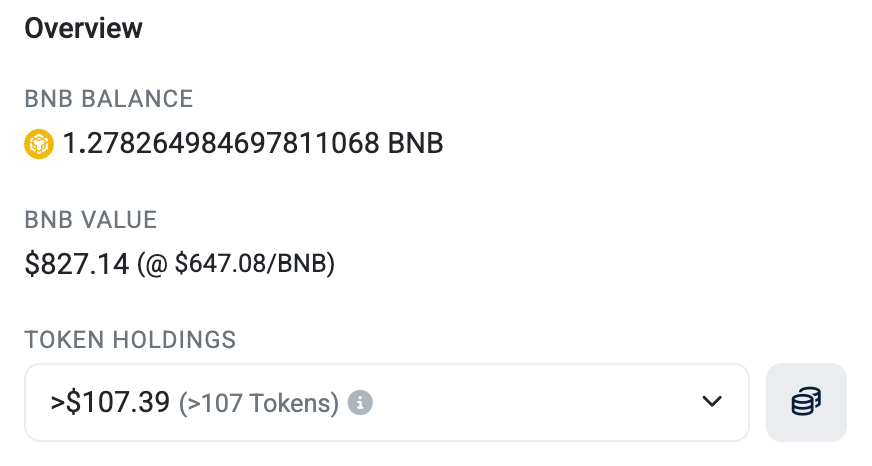
Wallet addresses: By entering a wallet address, you can view its current balance, full transaction history, and any tokens it holds. This is useful for verifying that a payment was received or for monitoring wallet activity.
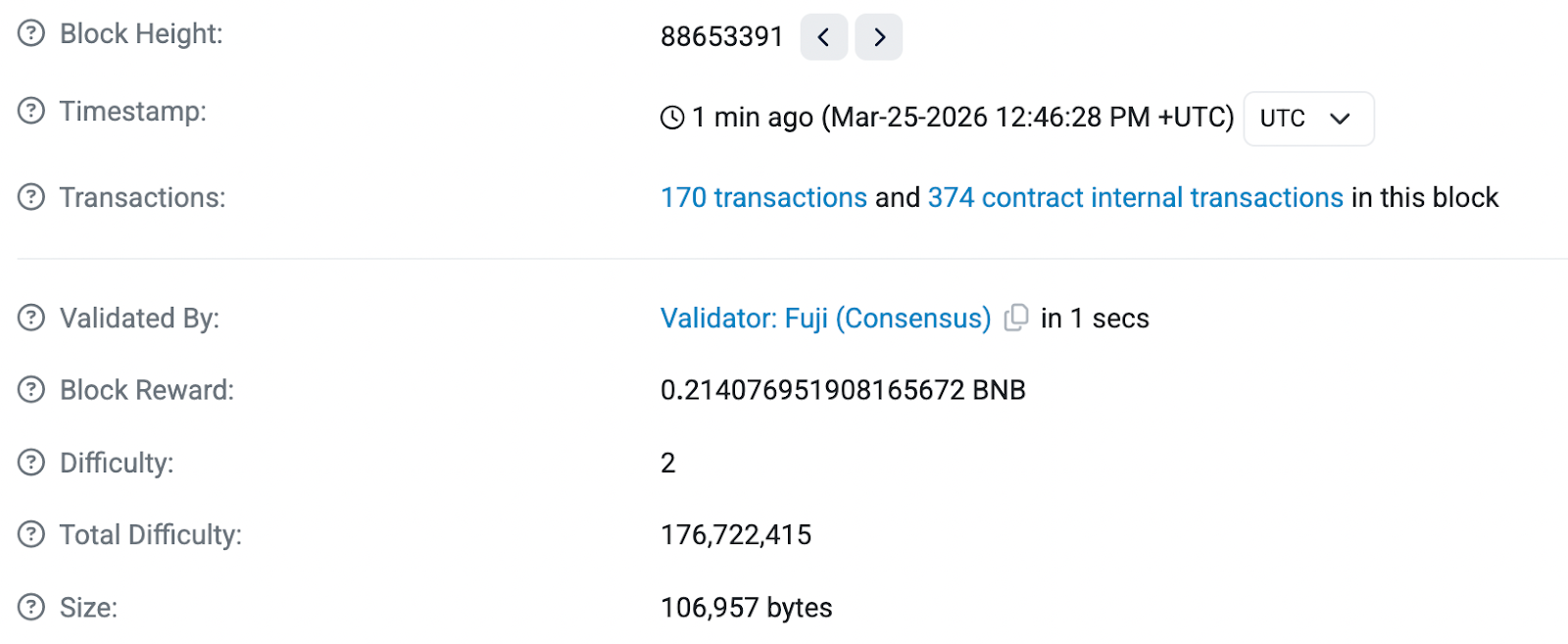
Block information: Each block on the blockchain has its own page on an explorer. Block details usually include the block number (height), the timestamp, the number of transactions within the block, the total fees collected, and the block hash.
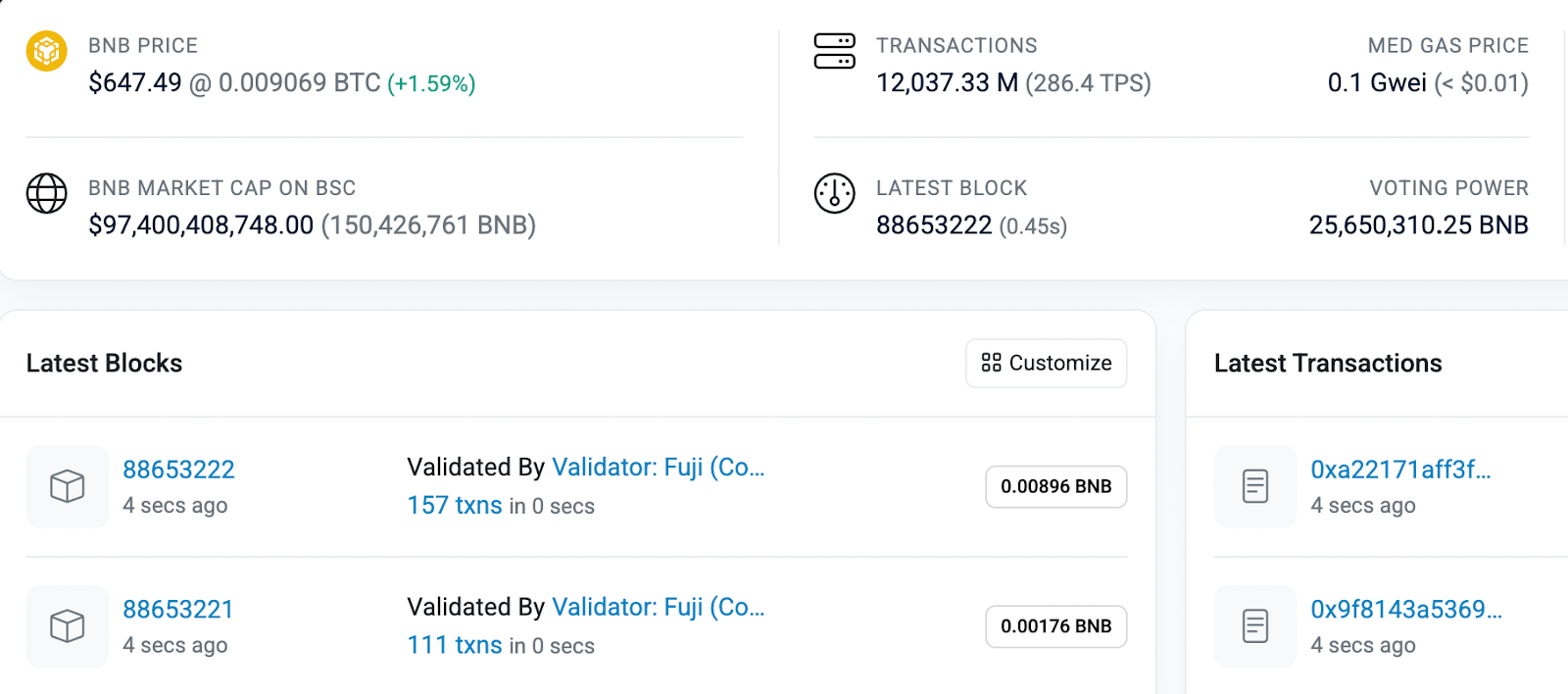
Network statistics: Many blockchain explorers also display broader network data, such as total hash rate and mining difficulty (for PoW chains), average transaction fees, mempool size (pending transactions), and the number of active addresses. These metrics can help you assess the overall health and activity of a blockchain network.
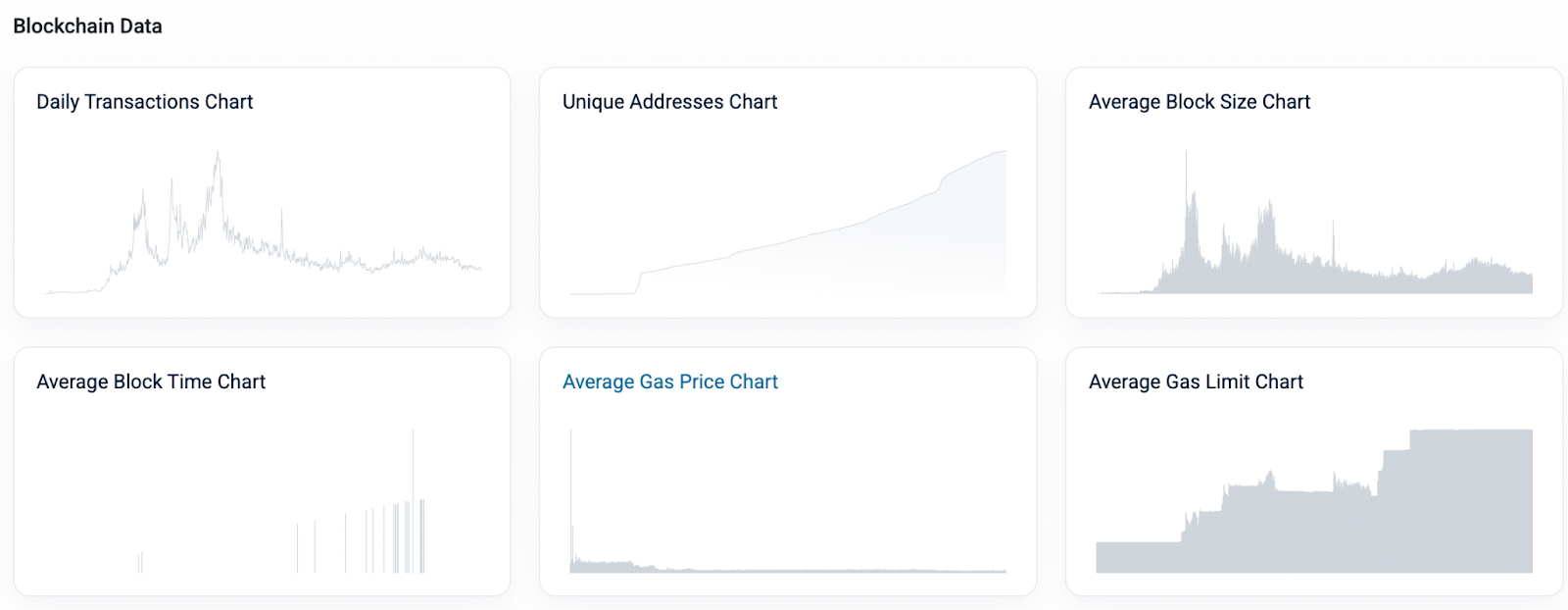
Smart contract data: On blockchains that support smart contracts, such as Ethereum and BNB Chain, explorers also let you view contract code, token transfers, and interaction history.
How to Use a Blockchain Explorer
Using a blockchain explorer is relatively straightforward, even for beginners. Here's a general step-by-step guide:
Choose the right explorer. Make sure you're using an explorer that supports the blockchain you want to search. For example, people often use Etherscan for Ethereum or BscScan for BNB Chain.
Go to the explorer's website. Open the explorer in your web browser. You'll typically see a search bar at the top of the page.
Enter your search query. You can search by transaction hash (TXID), wallet address, block number, or token name, depending on what you're looking for.
Review the results. The explorer will display the relevant data. For transactions, you'll see the status (confirmed or pending), the amount, the sender and recipient addresses, and the associated fees.
For example, if you've just sent bitcoin and want to confirm that the transaction went through, you can copy the transaction hash from your wallet and paste it into a Bitcoin explorer. The explorer will show you whether the transaction has been confirmed and how many confirmations it has received so far.
Popular Blockchain Explorers
Different blockchains typically have their own dedicated explorers. Here are some commonly used ones:
Bitcoin: Mempool.space, Blockchain.com
Ethereum: Etherscan
BNB Chain: BscScan
Solana: Solscan, SolanaFM
Polygon: PolygonScan
Many explorers support multiple blockchains, so you can search across different networks from a single interface. These multi-chain explorers are more convenient if you regularly interact with more than one blockchain.
Why Are Blockchain Explorers Important?
Blockchain explorers serve several important purposes:
Transaction verification. You can confirm that a transaction has been processed and see its current status, which is especially helpful when transfers are delayed or pending.
Transparency and trust. Explorers make it possible for anyone to independently verify on-chain data, reinforcing the transparent nature of public blockchains.
Research and analysis. Traders, analysts, and researchers often use blockchain explorers to study wallet activity, track large transfers (sometimes referred to as "whale watching"), and analyze network trends.
Smart contract auditing. Developers and users can review the code and interactions of smart contracts, which can help assess the legitimacy of a decentralized application (DApp) or token project.
Learning. For anyone new to crypto, exploring blocks and transactions firsthand is one of the most practical ways to understand how blockchain technology actually works.
Closing Thoughts
At their core, blockchain explorers make on-chain data accessible. They turn what would otherwise be unreadable strings of code into clear, searchable information that anyone can use. Next time you send or receive crypto, try looking up the transaction on an explorer. It's one of the quickest ways to see blockchain transparency in action.